
 Marketplace
 Jobs
Jobs Motors
 Property
 Services
 Business For Sale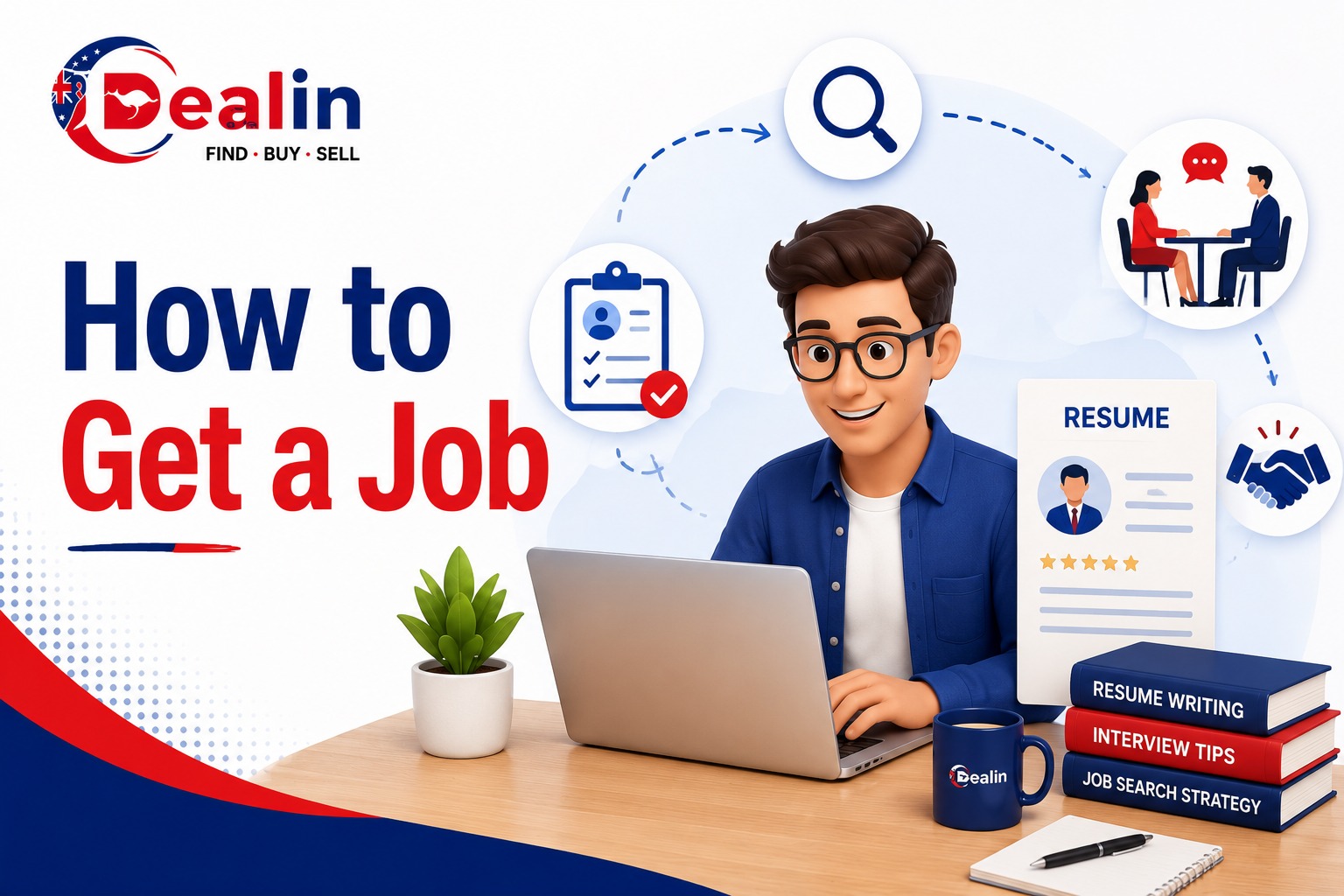




How to get a job on Dealin
Job hunting isn't the same as sending in an application. Sending something off? That's only one slice of a longer journey - beginning long before any form gets filled, stretching past acceptance, even after starting the daily routine.
Maybe it's time to pause if sending dozens of applications feels like shouting into a void. Picture this: starting with what truly matters to you, then growing abilities that match real needs. Think about hunting for roles differently - talking to people, learning how doors open. When questions come up in interviews, answer them like they're conversations. Later, when a chance shows itself, weigh it slowly.
Step 1: Know Your Goal
Clear about goals? Many job hunts fail right there. Not knowing the target shifts everything off track.
Picture where you want to land, not just any position but what comes next. Maybe it's staying put in a world you know, maybe stepping into one that feels unfamiliar. Full days at work, shorter shifts, working online, splitting time between home and office, or always onsite - each choice pulls the path in a different direction. What matters most shows up long before applications are sent. Clarity begins when guesses are set aside. This step shapes what follows, quietly but firmly.
When things aren't clear, job searches can drift off track - landing applications where mismatch follows mismatch. That kind of misstep slows everything down, creating delays that affect more than just one person.
Step 2: Build the Right Skills
The next step is figuring out whether your current skill set matches it once you know roughly what you're aiming for.
Take an honest look at any gaps between "what you can do now" and "what is required" for the role that you want. From there, courses (many of which are free or low-cost) can help close those gaps. Certifications can also strengthen your resume, especially in fields where they're commonly expected. And if your industry values it, building a portfolio — even a small one — can show employers what you're capable of in a way a resume alone can't.
This step doesn't need to take months. Sometimes a short course or a couple of solid portfolio pieces is enough to make a real difference.
Step 3: Create a Strong Resume and Profile
With clear goals and skills, begin creating the paper you want to present to prospective employers.
Customize your resume for the positions you're interested in, not all positions. Avoid using the same version across the board, but customize to highlight most important points for each role. A strong online presence helps too - people often check profiles before requesting resumes. Put results first in both spots. Share outcomes, not only duties. Let numbers or changes speak where possible. What shifted because of your work? That detail sticks.
Right now could be perfect for handing your resume to someone reliable. They might spot what slipped past you, since fresh views help. Sometimes small gaps show up only when another person looks.
Step 4: Search and Apply with Care
With everything in place, it's time to start looking for actual roles — but smartly, not just everywhere at once.
Here's how something like Dealin simplifies the process. Search using job type, place, or field instead of wading through every single posting out there. Matching real fits comes faster when filters do the work. When possible matches show up, pick those matching both your abilities and direction set earlier. One step further - note each submission clearly. Dates matter. So does tracking replies expected later on. Juggling many options? Memory fades fast without notes nearby.
Step 5: Connect with People Regularly
Most openings vanish before they ever hit listings online. That's when connections start to matter - rarely tapped, yet powerful. People overlook them constantly.
Start by reaching out to others doing similar work, maybe just to chat about their day-to-day tasks. Showing up at gatherings tied to your line of work - live or virtual - opens doors before jobs are posted widely. If it feels right, mention you're looking; trusted names often get first looks at openings. Being part of conversations online, especially in focused circles, keeps your name familiar without trying too hard.
Curiosity keeps conversations alive. Staying in contact? That matters more than big events.
Step 6: Ace the Interview
When connections begin working, job talks usually come next. That moment shows how much practice helped.
Start by looking into the business - learn its work, latest moves, its vibe. Practice aloud answers to common questions; this makes answers feel more natural than forced. Dress appropriately for the task and situation - consider polished rather than relaxed if in doubt. Once done, send a brief note saying thanks for the conversation - it might stick in their mind.
This doesn't promise a job, yet places you where chances are highest.
Step 7: Evaluate and Accept the Offer
Here it is - the moment every effort has led to. Still, pause just once before giving that answer. A breath changes everything.
Start by checking the pay and perks closely, because clarity now prevents stress later. Instead of rushing ahead, pause to see if the package truly fits your needs and matches typical standards for the job. When details feel off, speak up - negotiations are common, even expected in plenty of hiring processes. Rather than nodding quickly, take space to weigh what matters most to you. After thoughtful review, saying yes becomes less about luck and more about choice. Onboarding seems to run more smoothly, based on choices you made along the way.
Final Thoughts
It doesn't happen that people get a job in a single stroke. Knowing what matters to you shapes how you plan, while good prep sets the stage for better results. Jumping into searches without thought leads nowhere fast - instead, targeting roles wisely makes effort count more. Talking with others opens paths that apps alone never reach. Waiting well turns pressure into progress, slowly building momentum where it counts.
Start trying it out today. Check open positions at Dealin to look through jobs based on where you are, what kind of work interests you, or your field - then move forward into discovering a role that truly fits who you are.
FAQs
Written By
This article is by the Dealin Team — the editorial crew at Dealin, Australia's classifieds platform for buying and selling across Motors, Property, Jobs, Marketplace, Services, and Business For Sale. We write for everyday Australians navigating the classifieds space. Have a question, or would you like us to cover a specific topic? Email us at info@dealin.com.au .


