

 Marketplace
 Jobs
Jobs Motors
 Property
 Services
 Business For Sale

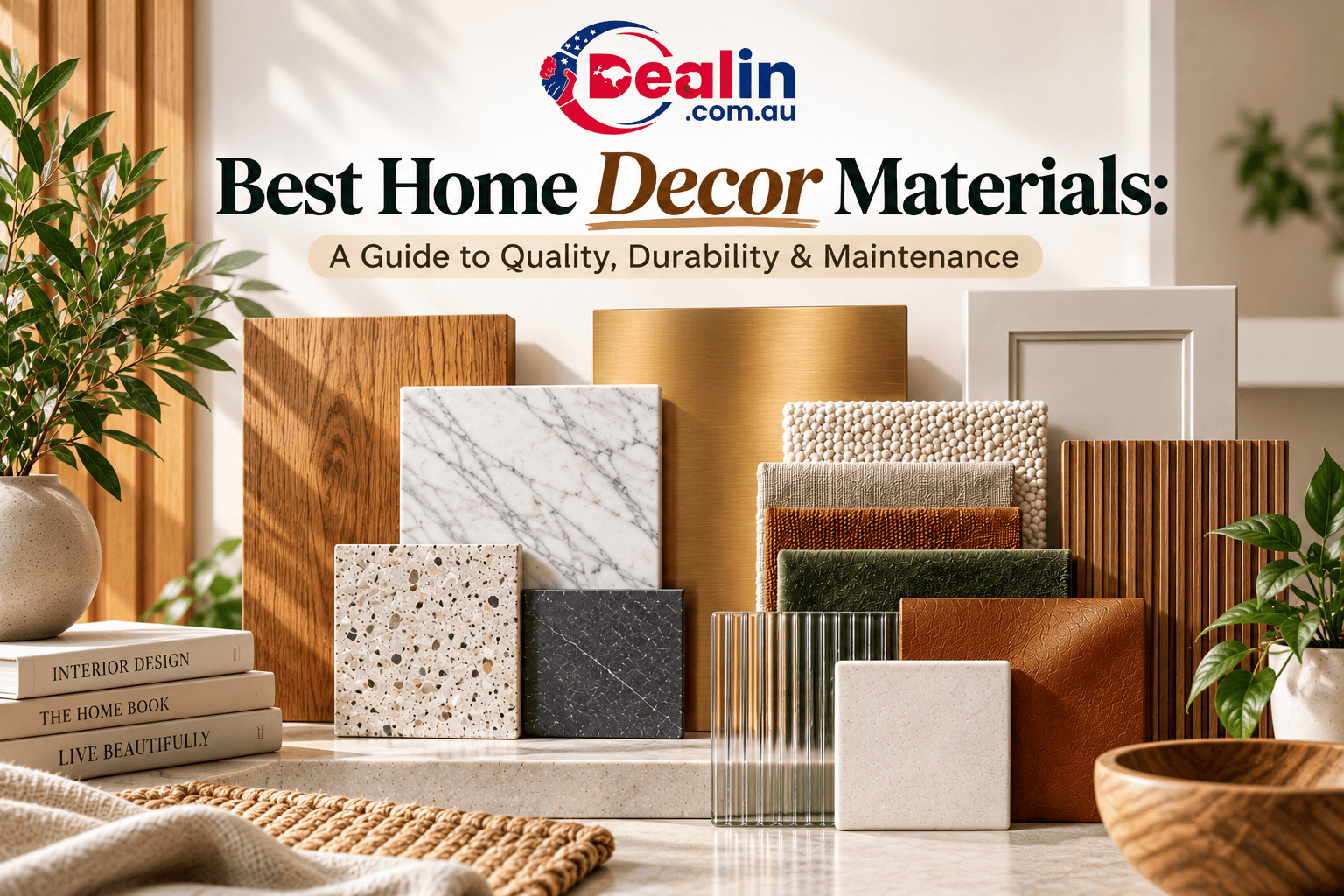


Home Decor Buying Guide: What to Consider Before You Buy
Most home decor advice jumps straight to style, colour palettes, mood boards, etc. while genuinely useful, it misses a step that comes before and is actually more important: is it a good buy, period, regardless of whether it's gorgeous?
A stunning piece that's poorly made, wrong for your space, or bought from someone you can't actually trust isn't a good purchase no matter how it photographs. This is the boring but genuinely important part of buying decor, and it's the part most guides skip entirely because it's less fun to write about than colour theory.
Material Quality, and Why It's Harder to Judge Than People Think
Here's something worth knowing: a lot of decor looks nearly identical in photos regardless of whether it's genuinely well made or not. Lighting and camera angles do a lot of heavy lifting. The tell is usually in the details a seller either shows you clearly or conveniently doesn't.
For anything wooden, ask what the timber actually is, solid timber, veneer over particleboard, or engineered wood, because these age completely differently and one costs a fraction of what the others should. For upholstered pieces, ask about the frame material underneath the fabric, a solid timber or steel frame will outlast a cheap softwood one by years, but you can't tell from a photo, you have to ask.
Metallic pieces (decor, lamp bases, etc.), frames, hardware – check the weight. Real metal feels heavier than something made of cheap painted metal and the sellers who are proud of their item's construction will mention the weight or the thickness of the metal used. If they don't then it's a sign that the item may be light, made of a cheaper material or even painted.
Condition Checks That Actually Matter
If you're buying second-hand in Australia, which is genuinely one of the smartest ways to find good decor at fair prices, a few checks separate a great find from a regretted purchase.
For furniture specifically, ask for close-up photos of joints, corners, and any moving parts, drawer runners, hinges, folding mechanisms. These are where wear shows first and where cheap repairs get hidden. Wobble in a chair or table isn't automatically a dealbreaker, loose joints are often an easy tighten, but structural cracks in the frame itself are a different, more expensive problem.
For fabric things, rugs, cushions, curtains ask specifically about fading, staining, and any smell, if the item has spent time in storage. Photos just don't capture a scent, and that's a particular problem with secondhand textile goods. A good seller won't mind you asking, and a defensive or dismissive answer is worth noting.
For anything electrical, lamps especially, ask if it's been tested and confirm it comes with a compliant plug and cord for Australian standards, older or imported pieces sometimes don't, and that's a genuine safety issue, not just a nitpick.
Reading a Listing Properly Before You Buy
A well written listing tells you almost everything you need to know before messaging the seller, and a poorly written listing is often a red flag in and of itself, if not because of the seller's dishonesty, but the seller's lack of specificity in the first place.
Look for things like specific measurements and not just an estimation on a product's size, multiple pictures that aren't just taken in one room, and not shying away from flaws, a listing that boasts about its lack of flaws in the description is even more reason to be skeptical, as nothing secondhand will ever actually be perfect, and a seller that thinks it should be perfect either doesn't inspect the product or hopes you won't.
If a listing genuinely lacks answers to your questions, size, material, condition, etc, don't be shy about asking them, as a quick and specific reply is usually a far better sign than a slow and vague one, despite how good the item looks online.
Comparing Similar Pieces Before You Commit
One habit that consistently saves money and prevents buyer's remorse: before buying anything beyond a small, low-cost item, spend ten minutes looking at what similar pieces are actually selling for. Not the retail price of something similar new, what comparable secondhand or lower-cost new pieces are genuinely listed for right now.
This does two things. It tells you whether a price is fair or inflated, and it often surfaces a better option you hadn't considered. Sometimes the first listing you find isn't the best one available, it's just the first one you saw, and those aren't the same thing.
Thinking About Longevity, Not Just This Season
A good amount of decor ends up bought due to a current mood or trend, only to be out of date or misplaced within a year or two. Before buying something that is obviously riding on a trend, or is an especially bold and eye-catching piece, think to yourself if you truly plan on keeping it around even after the trend has died down, or if you are merely buying the item because it seems popular at the time.
This is not to say that you should avoid trend-based purchases entirely, often a bold, trend-based statement piece is exactly what a room needs. It's more about conscious purchasing, being able to decide between what more permanent pieces you wish to buy from trend-based design, and what cheaper, more trend-based pieces you will replace later anyway.
When to Spend More, and When Not To
Not every piece deserves the same level of scrutiny or budget. Items you'll use daily and look at constantly, a lamp on your bedside table, the main rug in your living room, a piece of art you'll see every time you walk in the front door, are worth spending real time and money getting right. Items that play a smaller supporting role, a spare cushion, a seasonal decoration, something in a guest room you rarely use, genuinely don't need the same level of research or spend.
This sounds obvious written down, but it's surprising how often people do the opposite, agonising over a cheap accent piece while rushing the decision on something expensive and central to the room. Matching your effort to the actual importance of the piece is a simple habit that saves both time and money.
Bringing It Together
Buying decor items well isn't really about having good taste, plenty of people have good taste and still end up with a house full of things they regret. It's about asking the boring but useful questions first, what's it actually made of, what condition is it really in, is the price fair compared to similar options, and will I still want this in two years, before letting the exciting part, how it looks, make the decision for you.
Do that consistently and you end up with a home full of things you're genuinely glad you bought, not just things that looked good in a listing photo.
If you're ready to start browsing with a sharper eye, explore home decor listings, new and second-hand, across Australia on Dealin.com.au and see what's genuinely worth adding to your space.
FAQs
Written By
This article is by the Dealin Team — the editorial crew at Dealin, Australia's classifieds platform for buying and selling across Motors, Property, Jobs, Marketplace, Services, and Business For Sale. We write for everyday Australians navigating the classifieds space. Have a question, or would you like us to cover a specific topic? Email us at info@dealin.com.au .


